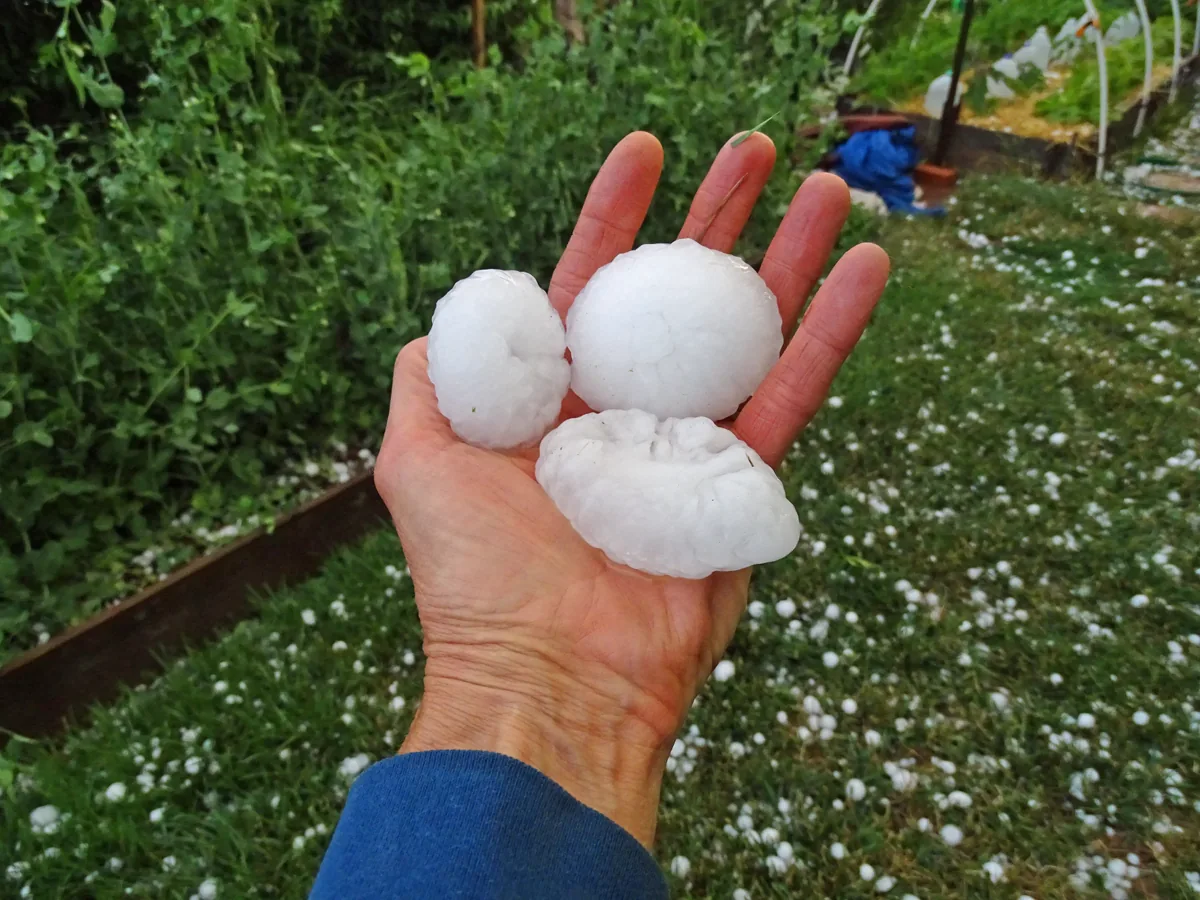
The Front Range sits in one of the most hail-prone stretches of the country, and Centennial gets its share of spring and early summer storms. Hail does not always leave obvious holes. More often it knocks the protective granules off asphalt shingles, bruises the mat underneath, dents metal vents and flashing, and cracks the seals that hold shingles flat. A roof can look fine from the driveway and still have lost years of life in a single afternoon.
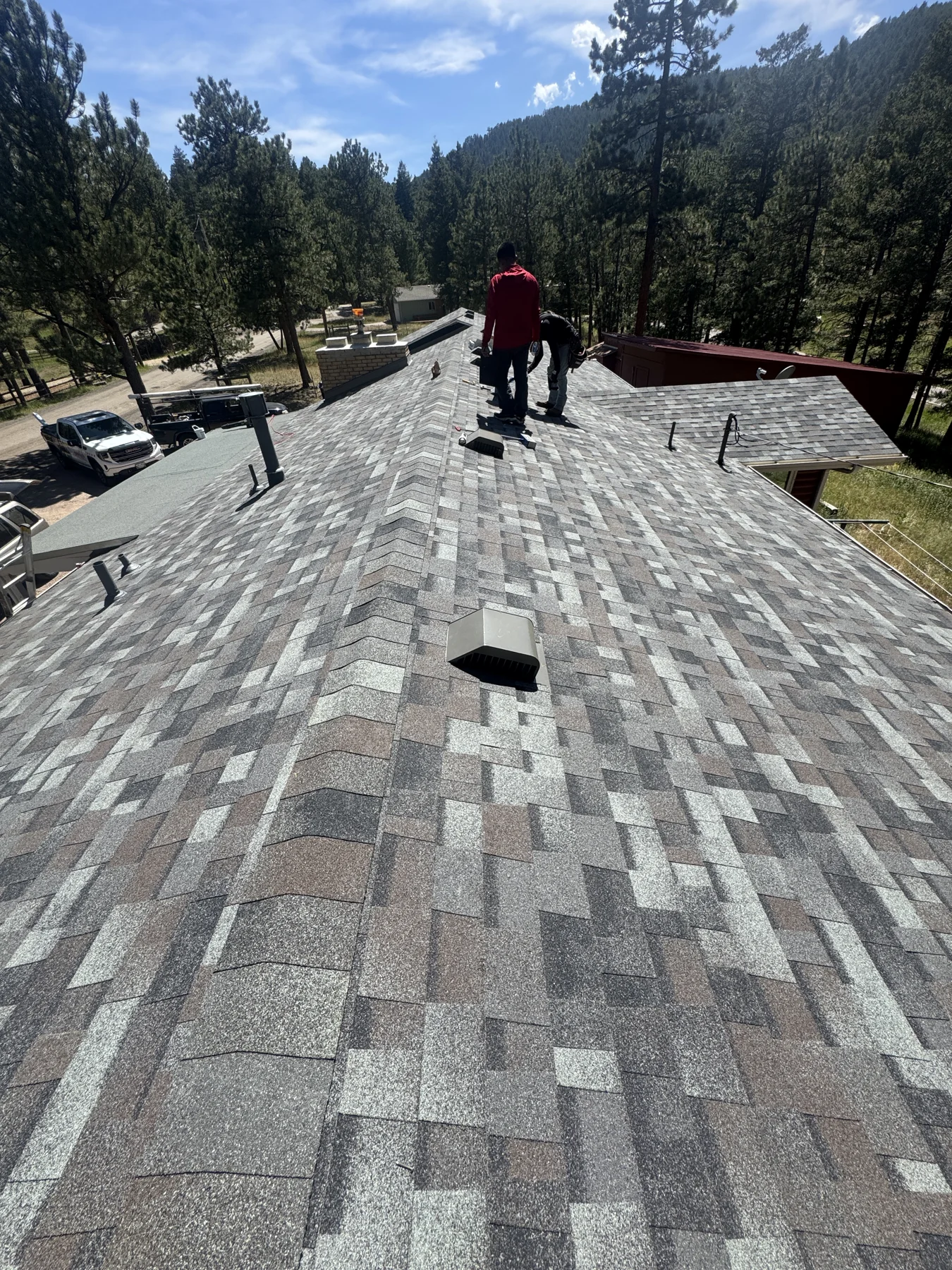
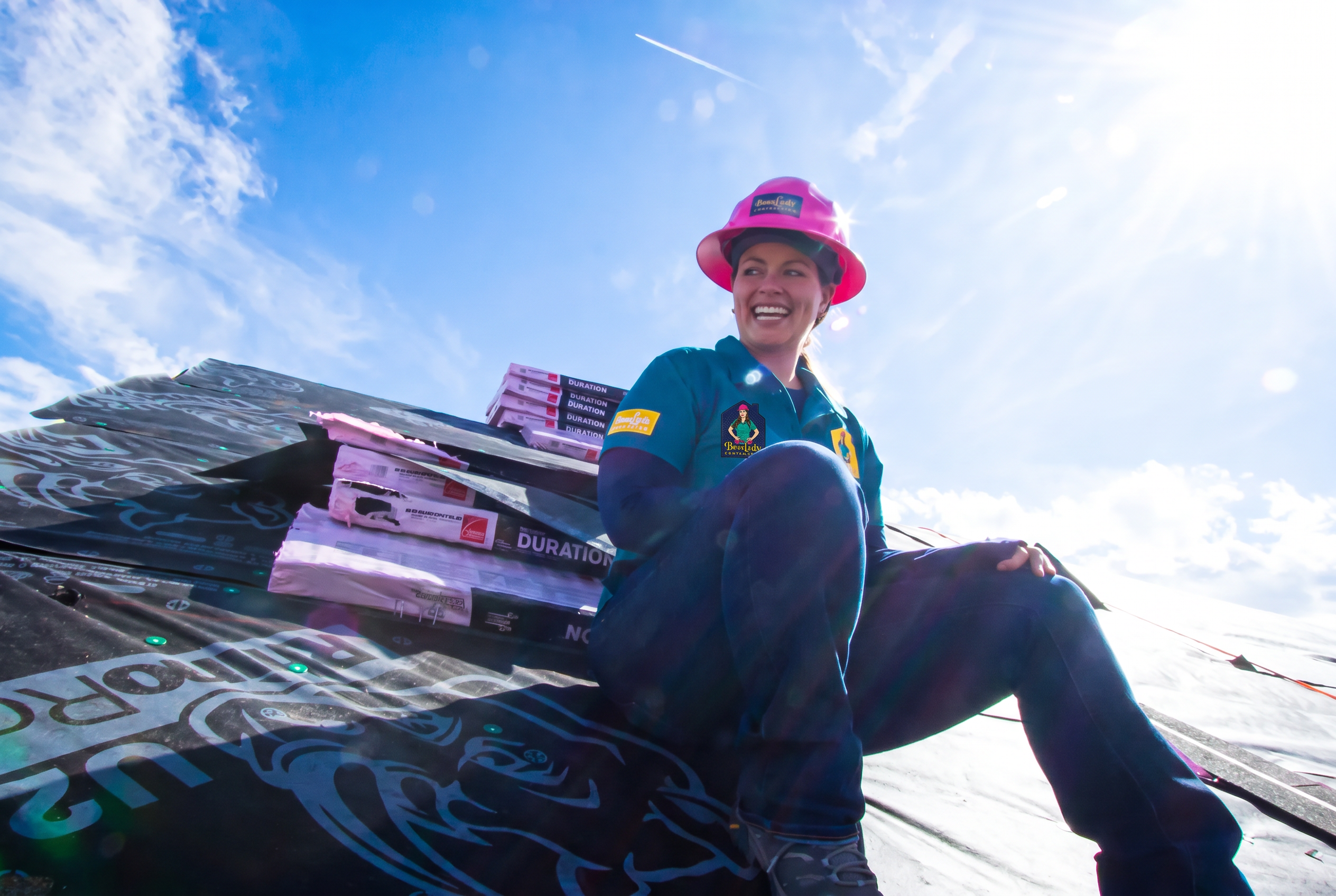
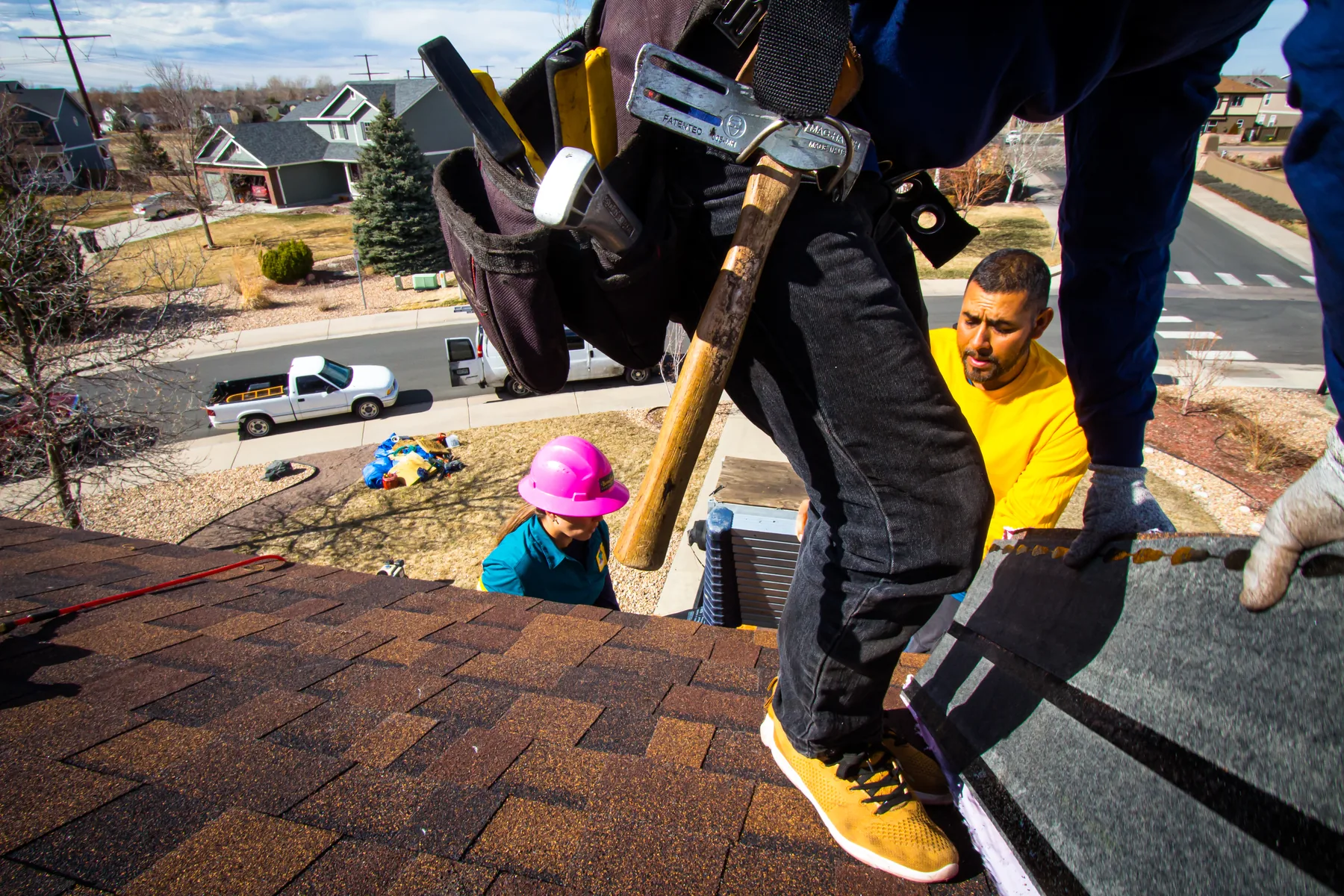
That is why we start every hail job on the roof itself. We walk each slope, mark impacts, check soft metals like gutters, downspouts, vent caps and window wraps, and photograph everything. Soft metal damage is often the easiest way to show that a storm was strong enough to hurt the shingles, so we document it carefully.
Timing matters too. Insurance policies set their own deadlines for reporting storm damage, and those vary by carrier and policy. If you think a storm hit your house, have it looked at soon rather than waiting for a leak. Granule loss and bruising can let water in months later, long after the storm is forgotten.
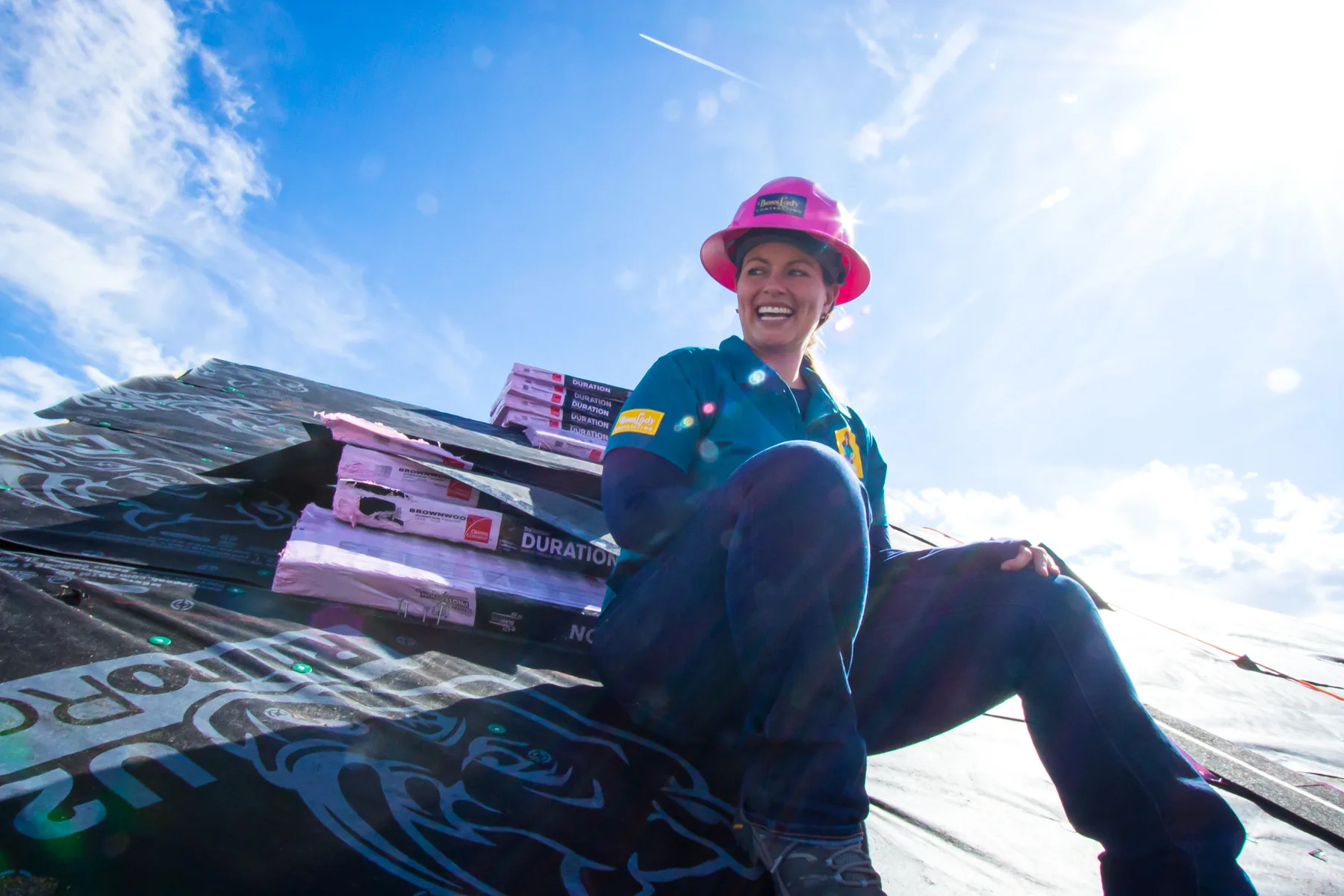
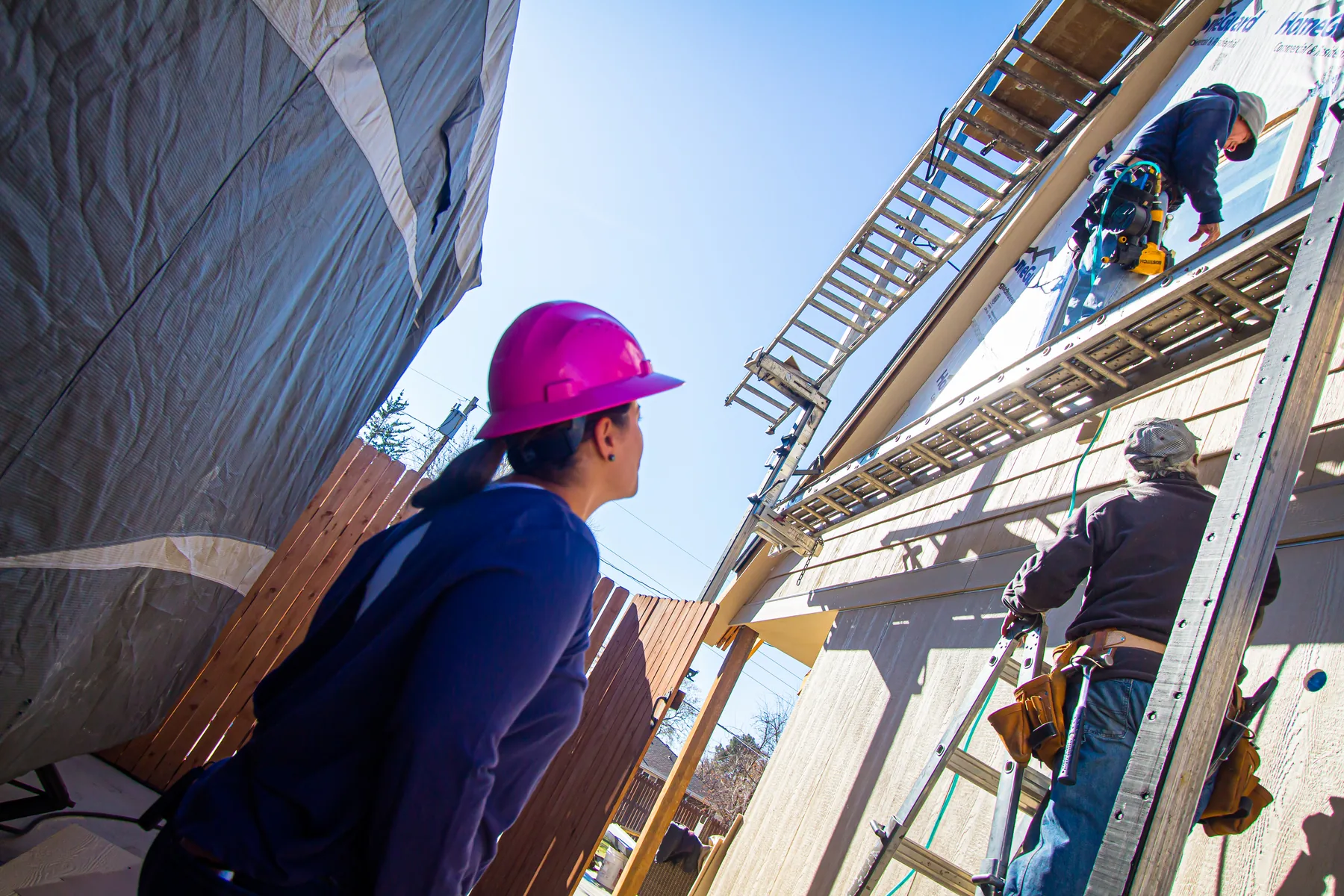
After a big storm, out-of-town crews often show up and knock on doors. Before you sign anything, ask where the company is based, who will be on your roof, and who you will call if something goes wrong next year. A local contractor who will still be here after storm season is worth more than the fastest signature.
If your home was hit, we can walk you through what we found with photos, explain whether the damage points to a repair or a full replacement, and give you the documentation you need for the conversation with your insurer.